U.S. Trade Negotiations: New Tariffs Impact Q1 2026 Imports
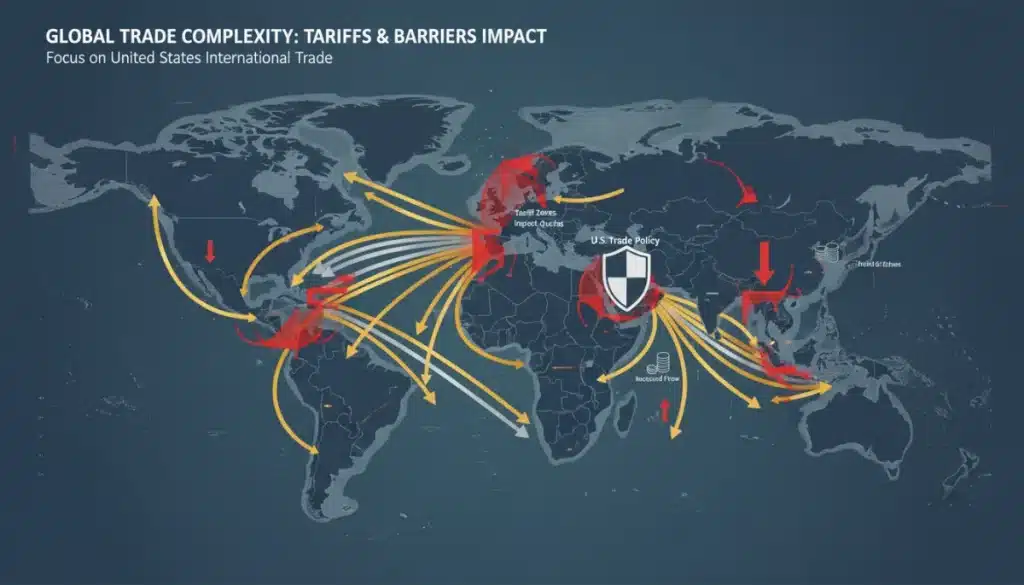
Anúncios
Latest developments on U.S. Trade Tariffs 2026, with key facts, verified sources and what readers need to monitor next in Estados Unidos, presented clearly in Inglês (Estados Unidos) (en-US).
The U.S. Trade Tariffs 2026 are shaping today’s agenda with new details released by officials and industry sources. This update prioritizes what changed, why it matters and what to watch next, in a straightforward news format.
Understanding the implications of these tariffs is crucial for businesses and consumers alike. The economic landscape is poised for significant shifts as these new policies take effect.
Anúncios
Understanding the New Tariff Landscape for Q1 2026
The U.S. government has announced a series of new tariffs set to impact imports significantly starting in Q1 2026. These measures stem from ongoing trade negotiations aimed at rebalancing trade relationships and protecting domestic industries.
Authorities confirmed new timelines and outlined initial impacts across different regions and sectors.
Statements from representatives indicate short-term adjustments and a more defined path for upcoming decisions, particularly concerning the U.S. Trade Tariffs 2026.
Anúncios
The specifics of these tariffs include targeted goods and industries, reflecting strategic economic objectives. Businesses are now scrambling to assess how these changes will affect their supply chains and pricing strategies.
Key Sectors Affected by Upcoming Tariffs
Several key sectors are expected to bear the brunt of the new U.S. Trade Tariffs 2026. These include manufacturing, technology, agriculture, and raw materials, among others.
The tariffs are designed to encourage domestic production and reduce reliance on foreign imports. This shift could lead to higher costs for consumers in the short term but theoretically bolster American industries in the long run.
Companies operating within these sectors are already evaluating potential mitigation strategies. This involves diversifying suppliers, adjusting production locations, or absorbing increased costs to maintain market share.
- Manufacturing: Increased costs for imported components and machinery.
- Technology: Higher prices for consumer electronics and specialized hardware.
- Agriculture: Potential retaliatory tariffs on U.S. agricultural exports.
- Raw Materials: Price hikes for essential inputs like steel, aluminum, and rare earth minerals.
The Economic Rationale Behind the U.S. Trade Tariffs 2026

The implementation of these tariffs is rooted in a broader economic strategy. Policymakers aim to address trade imbalances, safeguard national security interests, and promote fair competition on the global stage.
Recent data helps clarify the scope and sequence of events, especially regarding the U.S. Trade Tariffs 2026. Markets and local communities reacted as information became public, with agencies coordinating responses under established protocols.
The administration argues that these tariffs will create a more level playing field for American businesses. This move is expected to stimulate job growth and innovation within the United States.
Addressing Trade Imbalances and Unfair Practices
A primary driver for the new tariffs is the perceived need to address long-standing trade imbalances. Officials contend that certain trading partners have engaged in unfair trade practices, disadvantining U.S. companies.
The goal is to compel these nations to renegotiate trade agreements and adopt more equitable policies. This pressure is a central element of the U.S. trade strategy for Q1 2026 and beyond.
These negotiations are often complex, involving intricate diplomatic and economic considerations.
The success of the U.S. Trade Tariffs 2026 hinges on their ability to achieve these broader policy objectives without triggering widespread trade wars.
Impact on Consumers and Businesses in the United States
The direct impact of the U.S. Trade Tariffs 2026 will be felt by both consumers and businesses across the nation. Prices for imported goods are likely to increase, potentially leading to higher inflation.
For businesses, the tariffs mean adjusting supply chains, renegotiating contracts, and potentially passing on increased costs. Small and medium-sized enterprises (SMEs) might find these adjustments particularly challenging.
Consumers may see a reduction in the variety of imported goods available or face higher prices for their preferred products. The long-term effects on consumer spending and economic growth remain a subject of intense debate.

The topic’s background connects the update to previous milestones. Analysts highlight short-term signals that deserve attention before broader trends become clear regarding the U.S. Trade Tariffs 2026.
Supply Chain Realignments and Sourcing Strategies
Businesses are already initiating significant realignments of their supply chains in anticipation of the U.S. Trade Tariffs 2026. This includes exploring new sourcing locations, both domestically and in countries not subject to the tariffs.
The shift represents a strategic recalculation for many companies, prioritizing resilience and cost-effectiveness under the new trade regime. This could lead to a revitalization of domestic manufacturing in some areas.
However, finding suitable alternative suppliers can be a time-consuming and expensive process. The complexity of global supply chains means that such shifts are rarely simple or immediate.
- Diversification: Seeking new suppliers in unaffected regions.
- Reshoring: Bringing manufacturing operations back to the United States.
- Nearshoring: Shifting production to neighboring countries to reduce logistical costs and tariff exposure.
Global Reactions and Potential Retaliatory Measures
The announcement of the U.S. Trade Tariffs 2026 has not gone unnoticed on the global stage. International trading partners have expressed concerns, and some have indicated the possibility of retaliatory measures.
Such retaliatory tariffs could escalate trade tensions, creating a more volatile environment for international commerce. This would further complicate global supply chains and economic forecasting.
The U.S. administration is prepared for these reactions, viewing them as part of the negotiation process. The long-term goal is to achieve more balanced and fair trade agreements through these assertive tactics.
International Diplomatic Engagements and Trade Talks
Direct quotes and attributed summaries show positions, responsibilities and next steps in international diplomatic engagements. Independent experts assess the credibility of the information and likely outcome scenarios related to the U.S. Trade Tariffs 2026.
Numerous trade talks are ongoing, both bilaterally and multilaterally, to address the implications of these tariffs. These discussions aim to de-escalate tensions and find common ground for future trade relations.
The outcomes of these negotiations will significantly influence the final scope and duration of the tariffs. The global economic community is closely watching these developments for signs of cooperation or further conflict.
Navigating the Regulatory Landscape for Importers
Importers face a complex regulatory landscape with the introduction of the U.S. Trade Tariffs 2026. Understanding the specific classifications, exemptions, and compliance requirements is paramount to avoid penalties and delays.
Government agencies are providing updated guidance and resources to assist businesses in navigating these new regulations. Workshops and informational sessions are being held to clarify the intricate details of the tariff schedules.
Compliance with these new rules will require significant administrative effort and investment in expertise. Businesses must ensure they are fully prepared for the changes coming in Q1 2026.
What Changes for the Reader Now Regarding Tariffs
For now, practical effects are concentrated in specific areas, while broader impacts depend on future decisions and compliance with new guidelines for the U.S. Trade Tariffs 2026.
Readers who are importers or consumers of imported goods need to stay vigilant about specific product categories affected. Monitoring official announcements from the U.S. Trade Representative (USTR) and the Department of Commerce is essential.
Understanding the phased implementation of these tariffs can help in planning and mitigating risks. Early adaptation to the new regulatory environment can provide a competitive advantage.
- Immediate Deadlines: Note specific dates for tariff implementation and reporting.
- Adjustments in Services: Be aware of changes in customs procedures and import documentation.
- Rules in Force: Understand the updated harmonized tariff schedule codes and their associated duties.
Anticipated Market Reactions and Investment Trends
Financial markets typically react to significant trade policy changes, and the U.S. Trade Tariffs 2026 are no exception. Investors are closely monitoring market volatility, particularly in sectors heavily reliant on imports.
Investment trends may shift towards domestic production capabilities and companies less exposed to international trade risks. This could lead to a reallocation of capital within the U.S. economy.
Analysts are providing various forecasts, but the consensus points to a period of adjustment and uncertainty. Businesses with robust risk management strategies will be better positioned to weather these changes.
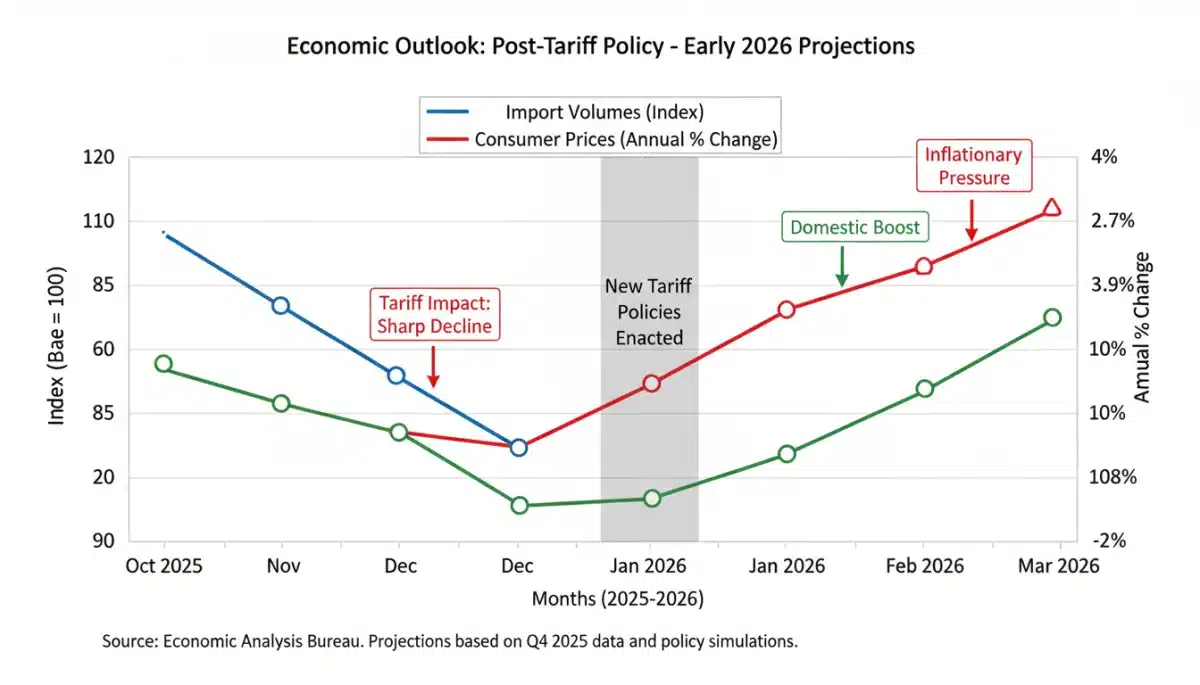
The long-term effects on foreign direct investment into the U.S. also remain a key concern. The attractiveness of the U.S. market for foreign companies could be altered by higher import costs and trade barriers, impacting the U.S. Trade Tariffs 2026.
Emerging Opportunities Amidst Trade Challenges
Despite the challenges posed by new tariffs, opportunities may emerge for domestic industries. Companies that can scale up local production or innovate to replace imported goods stand to benefit.
The emphasis on domestic sourcing could spur investment in new technologies and manufacturing processes. This could lead to a renaissance in certain American industrial sectors.
Furthermore, businesses that can offer tariff-exempt alternatives or services to navigate the new trade landscape may find new avenues for growth. The U.S. Trade Tariffs 2026, while disruptive, also create new market dynamics.
Preparing for the U.S. Trade Tariffs 2026: A Proactive Approach
A proactive approach is essential for businesses to prepare for the full impact of the U.S. Trade Tariffs 2026. This involves comprehensive planning, risk assessment, and strategic adjustments.
Companies should conduct thorough analyses of their current supply chains, identifying vulnerabilities and potential areas of exposure to the new tariffs. This allows for informed decision-making and timely modifications.
Engaging with trade experts, legal counsel, and industry associations can provide invaluable insights and support during this transitional period. Staying informed and agile will be key to success.
Strategic Planning and Risk Mitigation
Strategic planning should include scenarios for various tariff outcomes, allowing businesses to develop flexible response plans. This foresight can minimize disruptions and maintain operational continuity.
Risk mitigation strategies might involve hedging against currency fluctuations, securing long-term contracts with domestic suppliers, or exploring joint ventures. The goal is to build resilience against trade policy shifts.
Continuous monitoring of trade negotiations and policy updates is crucial. The dynamic nature of international trade means that the landscape can change rapidly, requiring ongoing adaptation to the U.S. Trade Tariffs 2026.
Long-Term Outlook and Future Trade Policy Directions
The long-term outlook for U.S. trade policy suggests a continued focus on protecting domestic interests and reshaping global trade norms. The U.S. Trade Tariffs 2026 are a significant step in this ongoing evolution.
Future trade agreements and negotiations will likely reflect these priorities, potentially leading to a more protectionist stance or a recalibration of existing alliances. The global trade order is in flux.
Businesses and policymakers alike will need to adapt to this evolving environment, prioritizing strategic partnerships and innovative solutions. The future of U.S. trade policy will undoubtedly continue to be a central topic of discussion and debate.
| Key Point | Brief Description |
|---|---|
| Tariff Implementation | New U.S. tariffs on imports for Q1 2026 are officially confirmed. |
| Affected Sectors | Manufacturing, tech, agriculture, and raw materials face significant impact. |
| Economic Rationale | Aims to address trade imbalances and promote domestic production. |
| Business Preparation | Proactive supply chain adjustments and compliance are crucial. |
Frequently Asked Questions About U.S. Trade Tariffs 2026
The primary goals include rebalancing trade relationships, addressing perceived unfair trade practices, and bolstering domestic industries. The tariffs aim to reduce reliance on foreign imports and stimulate local manufacturing and job creation within the United States.
Industries such as manufacturing, technology, agriculture, and raw materials are expected to be the most impacted. Companies importing components, finished goods, or essential materials in these sectors will likely experience increased costs and supply chain adjustments due to the U.S. Trade Tariffs 2026.
Consumer prices for imported goods are likely to increase as businesses pass on higher tariff costs. This could lead to a rise in overall inflation, affecting household purchasing power. Consumers may also see changes in product availability and variety.
Businesses should conduct comprehensive supply chain analyses, explore alternative sourcing options (domestic or tariff-exempt countries), and engage with trade experts for compliance guidance. Strategic planning and risk mitigation are crucial for adapting to the U.S. Trade Tariffs 2026.
Yes, some international trading partners have expressed concerns and indicated the possibility of retaliatory measures. This could escalate global trade tensions, making it essential for businesses involved in international trade to monitor diplomatic developments closely regarding the U.S. Trade Tariffs 2026.
Looking Ahead: The Evolving Trade Landscape
The implementation of the U.S. Trade Tariffs 2026 marks a pivotal moment in global commerce.
This move underscores a persistent effort to re-evaluate and reshape international trade dynamics. Businesses and consumers must remain vigilant, monitoring ongoing negotiations and policy adjustments closely.
The long-term implications will depend on both domestic economic resilience and the reactions of key trading partners, making adaptability paramount in the evolving trade landscape.
As we navigate this new economic order, political will and aggressive enforcement have become the cornerstones of U.S. strategy.
For a closer look at the legislative priorities and enforcement goals shaping these changes, review the five key moments from the May 2026 hearing on U.S. trade with Ambassador Jamieson Greer.
Autor