USDA Updates Food Safety Traceability: Impact on Grocery Supply
Anúncios
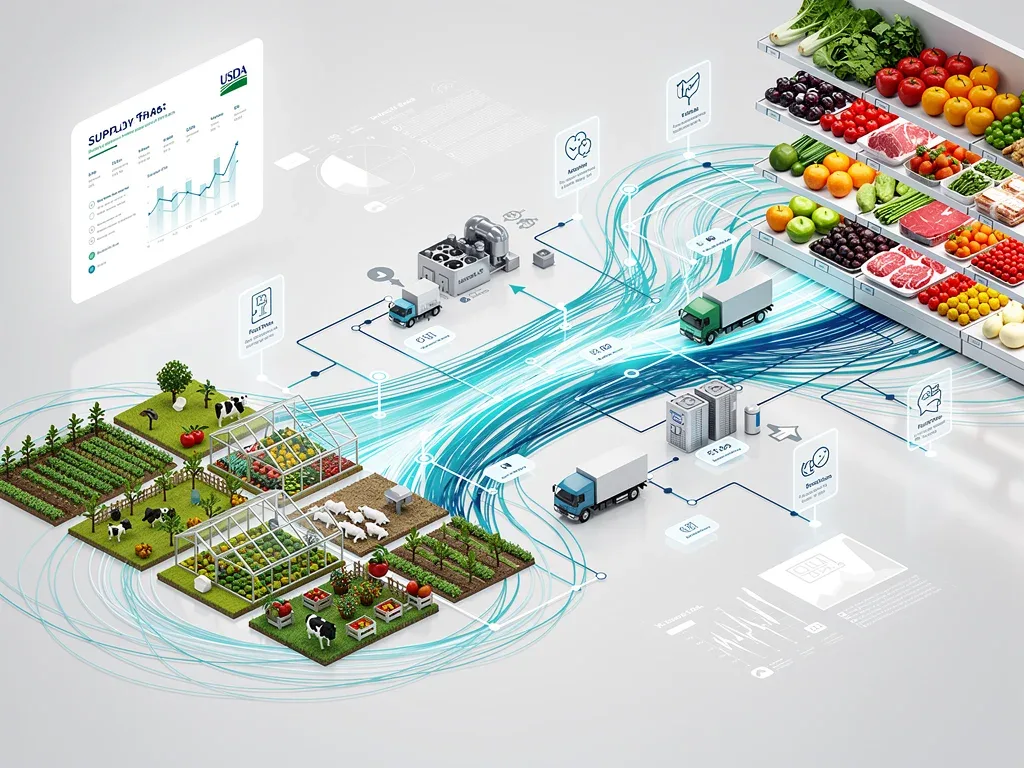
Latest developments on USDA Updates National Food Safety Traceability Requirements Affecting 40 Percent of Grocery Supply, with key facts, verified sources and what readers need to monitor next in Estados Unidos, presented clearly in Inglês (Estados Unidos) (en-US).
USDA Updates National Food Safety Traceability Requirements Affecting 40 Percent of Grocery Supply is shaping today’s agenda with new details released by officials and industry sources. This update prioritizes what changed, why it matters and what to watch next, in a straightforward news format.
The recent announcement from the United States Department of Agriculture (USDA) marks a pivotal shift in how food products are tracked across the nation. These revised regulations are designed to enhance consumer safety and streamline recall processes, directly influencing a substantial portion of the American food system.
Stakeholders across the supply chain, from farmers to retailers, are now assessing the implications of these comprehensive new mandates. The USDA's commitment to a more transparent and responsive food system necessitates significant operational adjustments for many businesses.
This article delves into the specifics of these updates, examining their scope, the reasons behind their implementation, and the anticipated impact on various segments of the grocery supply. Understanding these changes is critical for both industry participants and the general public.
Anúncios
Understanding the New USDA Food Traceability Requirements
The USDA’s latest revisions to national food safety traceability requirements represent a significant overhaul of existing protocols. These updates aim to create a more robust system for identifying and tracking food products from their origin to the consumer’s plate, especially those deemed high-risk.
The scope of these regulations is broad, encompassing approximately 40 percent of the grocery supply, including fresh produce, certain seafood, and specific dairy products. This widespread application means a considerable portion of the food items Americans consume daily will fall under stricter tracking mandates.
The primary objective is to expedite the identification and removal of contaminated food from the market during an outbreak or recall. This proactive approach seeks to minimize public health risks and reduce economic losses for businesses.
Anúncios
Key Components of the Updated Regulations
The new regulations introduce several critical elements that businesses must integrate into their operations. These include enhanced record-keeping, standardized data elements, and rapid information sharing capabilities across the supply chain.
Compliance requires companies to capture specific Key Data Elements (KDEs) at various Critical Tracking Events (CTEs) throughout the food product's journey. This structured data collection ensures a consistent and comprehensive record of each item's path.
- Standardized data elements for improved interoperability.
- Mandatory record-keeping at critical tracking events.
- Requirements for rapid access to traceability information.
These measures are designed to provide a clear, unbroken chain of custody for regulated food products. The ability to quickly pinpoint the source of contamination is paramount to the success of these new rules.
Why These Updates Are Crucial for Food Safety
The driving force behind the USDA food traceability updates is a persistent need to enhance food safety and public health protection. Foodborne illnesses continue to pose a significant threat, and current traceability systems often fall short during widespread contamination events.
Previous incidents have highlighted the challenges in rapidly identifying the origin of contaminated products, leading to lengthy investigations and broader, more disruptive recalls. These new regulations aim to address these systemic weaknesses directly.
By requiring more detailed and accessible traceability data, the USDA seeks to dramatically reduce the time it takes to respond to food safety crises. This efficiency can save lives and prevent widespread economic damage.
Addressing Gaps in the Current System
Existing traceability practices vary widely across the food industry, creating inconsistencies that impede effective responses to outbreaks. Many systems are fragmented, making it difficult to trace a product fully through complex supply chains.
The new framework provides a uniform standard, ensuring that all regulated entities collect and maintain similar types of information. This standardization is critical for creating an integrated and responsive national food safety network.
- Minimizing the scope and duration of foodborne illness outbreaks.
- Improving efficiency and accuracy of product recalls.
- Building greater consumer confidence in the food supply.
The USDA's proactive stance reflects a commitment to leveraging modern data management capabilities to safeguard the public. These updates are a direct response to lessons learned from past food safety challenges.
Impact on the Grocery Supply Chain: Producers to Consumers
The USDA food traceability updates will undeniably reshape operations for a substantial segment of the grocery supply chain. Producers, distributors, and retailers must all adapt to new compliance requirements, which will necessitate investments in technology and training.
For primary producers, such as farms and fisheries, this means implementing more rigorous record-keeping practices from the point of harvest or capture. This might involve new tagging systems or digital platforms to capture required data elements accurately.
Distributors and wholesalers will need to ensure seamless data flow from their suppliers and to their customers, maintaining the integrity of the traceability chain. Their role as central hubs in the supply network becomes even more critical.
Challenges and Opportunities for Businesses
While compliance presents challenges, it also opens doors for innovation and efficiency. Companies that proactively embrace advanced traceability solutions can gain a competitive edge through improved operational visibility and enhanced brand trust.
Initial costs for technology adoption, software integration, and staff training are expected. However, these investments are projected to yield long-term benefits, including reduced recall expenses and stronger consumer loyalty.
- Investment in traceability software and hardware.
- Training for personnel on new data entry and management protocols.
- Potential for streamlined inventory management and reduced waste.
Ultimately, consumers stand to benefit from a safer, more transparent food supply. The ability to trace products quickly and accurately provides an added layer of assurance regarding the quality and safety of their food.
The Role of Technology in Enhanced Traceability
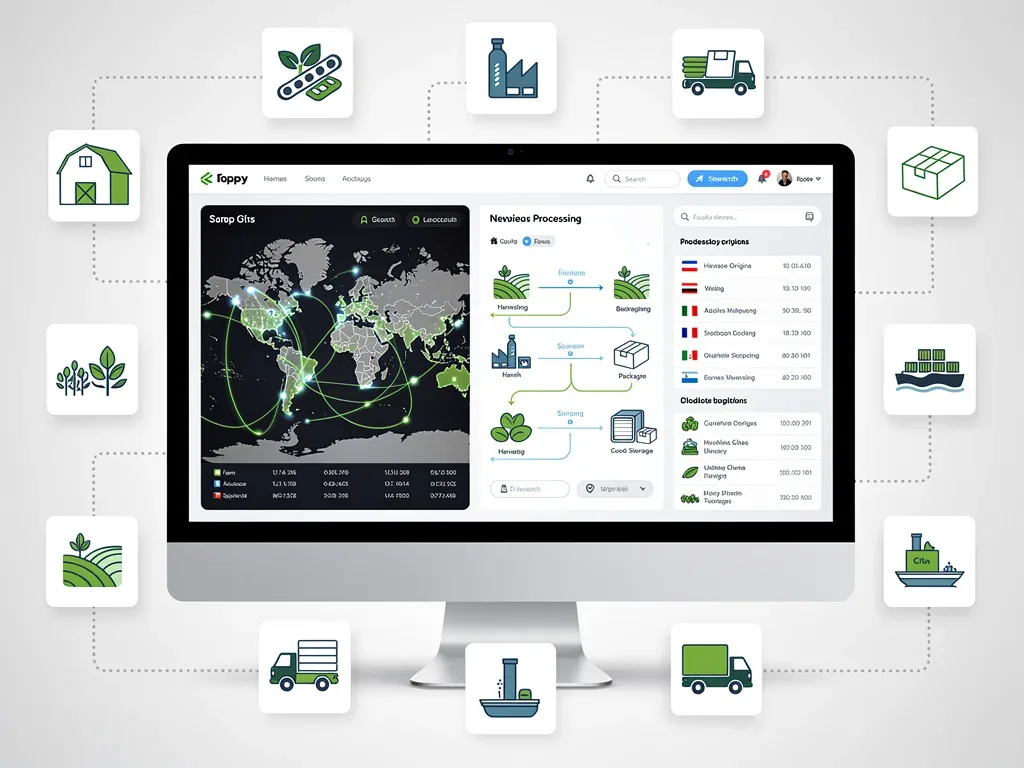
Implementing the new USDA food traceability updates heavily relies on advanced technological solutions. Digital platforms, blockchain, and IoT devices are poised to play crucial roles in facilitating the required data capture, storage, and sharing.
Legacy systems may struggle to meet the stringent new data requirements, pushing many businesses to upgrade their technological infrastructure. This presents an opportunity for tech providers specializing in supply chain management and food safety solutions.
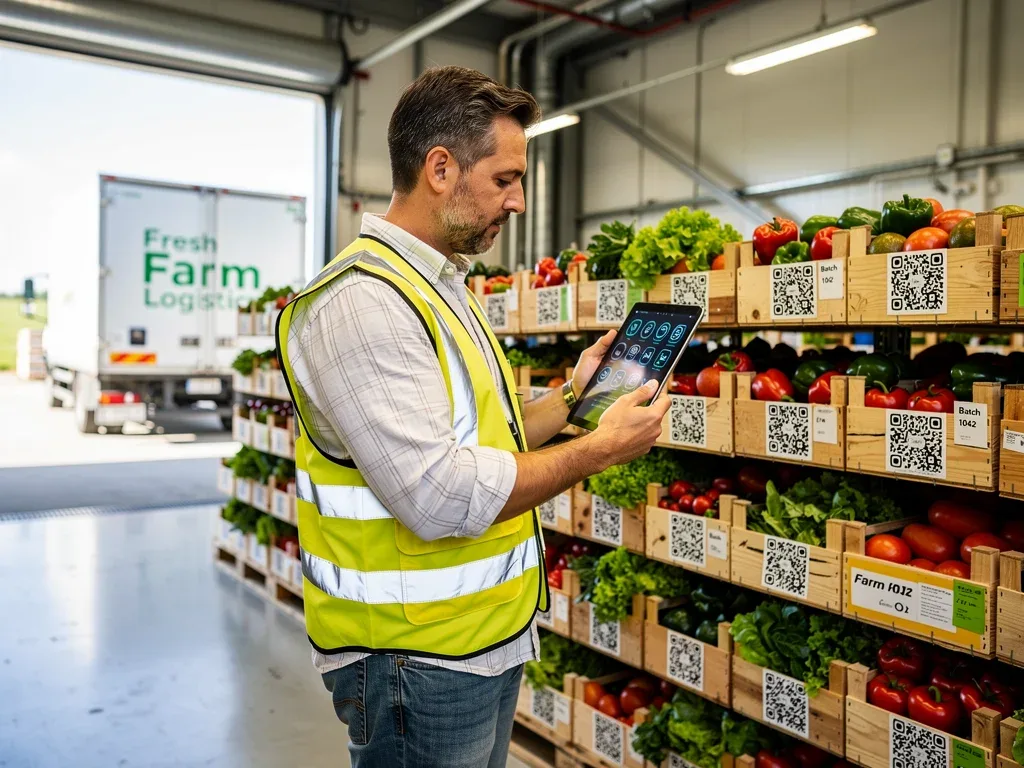
Automated data collection through sensors, RFID tags, and QR codes can significantly reduce manual errors and improve the speed of information transfer. These technologies enable real-time tracking, a cornerstone of the updated regulations.
Leveraging Data for Proactive Food Safety
Beyond compliance, the wealth of data generated by enhanced traceability systems offers valuable insights for businesses. This data can be analyzed to identify trends, optimize supply chain logistics, and even predict potential issues before they escalate.
Predictive analytics, powered by comprehensive traceability data, can help companies anticipate and mitigate risks, moving from reactive responses to proactive prevention. This shift can lead to substantial savings and improved brand reputation.
- Integration of existing Enterprise Resource Planning (ERP) systems.
- Development of interoperable data exchange protocols.
- Adoption of blockchain for immutable and transparent record-keeping.
The digital transformation spurred by these regulations will likely set new industry standards for transparency and efficiency. The USDA's vision requires a strong technological backbone to succeed.
Compliance Deadlines and Implementation Timeline
Businesses affected by the USDA food traceability updates are currently navigating a defined timeline for compliance. The USDA has outlined specific deadlines, providing a window for companies to adapt their systems and processes to meet the new requirements.
Understanding these critical dates is essential for avoiding penalties and ensuring a smooth transition. The implementation is phased, allowing different segments of the industry to prepare systematically.
The USDA is also expected to offer guidance and resources to assist businesses in achieving compliance. Workshops, online materials, and direct support channels will be vital for successful adoption across the diverse food industry landscape.
Preparing for the Transition
Preparation involves a multi-faceted approach, including assessing current traceability capabilities, identifying gaps, and investing in necessary upgrades. Early engagement with the new rules can prevent last-minute rushes and potential disruptions.
Companies should also consider conducting internal audits to ensure their existing data collection and management practices align with the USDA’s new standards. Training staff on updated procedures is another critical component of readiness.
- Reviewing existing supply chain data collection points.
- Engaging with technology providers for compliance solutions.
- Developing internal training programs for all relevant employees.
The USDA's emphasis on a structured implementation period underscores the complexity of these changes and the need for thorough preparation across the industry.
Economic Implications for the Food Industry
The USDA food traceability updates carry significant economic implications for the food industry, affecting both operating costs and potential market advantages. Businesses will face initial expenditures for technology, training, and process re-engineering.
Small and medium-sized enterprises (SMEs) may find these compliance costs particularly challenging, potentially requiring financial assistance or tailored support programs. The USDA recognizes these concerns and is exploring ways to mitigate the burden.
However, the long-term economic benefits are substantial. Enhanced traceability can lead to quicker and more targeted recalls, reducing the financial fallout from extensive product withdrawals and brand damage.
Balancing Costs and Benefits
While the upfront investment is considerable, the potential for reduced liability, improved operational efficiency, and increased consumer trust offers a compelling return. Companies that embrace these changes can strengthen their market position.
Moreover, a more transparent supply chain can open new opportunities for marketing and consumer engagement, especially for brands that prioritize safety and ethical sourcing. This could translate into higher sales and brand loyalty.
- Increased consumer confidence driving sales for compliant brands.
- Reduced costs associated with large-scale product recalls.
- Potential for market differentiation through superior traceability.
The economic landscape of the grocery supply will undoubtedly evolve, rewarding those who adapt effectively to the new regulatory environment.
Stakeholder Responses and Industry Perspectives
The announcement of the USDA food traceability updates has elicited varied responses from industry stakeholders. While there is broad agreement on the importance of food safety, concerns regarding implementation challenges and costs have been voiced by various groups.
Agricultural associations have emphasized the need for clear guidance and flexible compliance pathways, particularly for small farms. Retailer groups are focusing on integrating new data streams from their vast network of suppliers.
Consumer advocacy organizations, conversely, have largely welcomed the updates, viewing them as a crucial step toward greater transparency and protection. Their perspective underscores the public health imperative driving these regulations.
Collaborative Approaches to Compliance
Many industry leaders are advocating for collaborative approaches, including sharing best practices and developing industry-wide solutions. This collective effort can help standardize processes and reduce the individual burden of compliance.
Technology providers are actively engaging with businesses to offer scalable solutions tailored to different operational sizes and complexities. Partnerships between industry, government, and tech firms are becoming increasingly important.
- Formation of industry working groups to address specific implementation issues.
- USDA outreach programs to educate and support affected businesses.
- Development of interoperable software solutions to facilitate data exchange.
These ongoing dialogues and collaborative initiatives are vital for ensuring the successful and equitable implementation of the new traceability requirements across the entire food ecosystem.
Global Context and Future Trends in Food Traceability
The USDA food traceability updates are not occurring in isolation; they are part of a broader global trend towards enhanced food safety and supply chain transparency. International bodies and other nations are also implementing similar stringent regulations.
This global movement is driven by increasing consumer demand for information about food origins, coupled with the complexities of international food trade. Harmonization of traceability standards across borders could be a future development.
The United States' leadership in this area sets a precedent and encourages other countries to elevate their food safety protocols. This can lead to a more secure global food supply chain, beneficial for all.
The Future of Food Safety and Supply Chain Management
Looking ahead, the evolution of food traceability will likely involve even more sophisticated technologies, such as AI-driven analytics and advanced sensor networks. These innovations promise to deliver unprecedented levels of detail and predictive capabilities.
The focus will shift towards not just tracing products, but also predicting potential contamination risks and preventing them before they occur. This proactive stance represents the ultimate goal of modern food safety management.
- Increased adoption of blockchain for end-to-end supply chain visibility.
- Integration of AI for predictive analytics in food safety.
- Development of international standards for seamless global traceability.
The USDA's current updates are a significant step on this path, laying the groundwork for a future where food safety is integrated into every aspect of the supply chain, from farm to consumer.
| Key Point | Brief Description |
|---|---|
| Scope of Updates | Affects 40% of grocery supply, including fresh produce, seafood, and dairy. |
| Primary Goal | Enhance food safety, expedite recalls, and minimize public health risks. |
| Key Requirement | Mandatory Key Data Elements (KDEs) at Critical Tracking Events (CTEs). |
| Business Impact | Requires technology investment, process changes, and staff training for compliance. |
Frequently Asked Questions About USDA Traceability
What exactly are the USDA Updates National Food Safety Traceability Requirements Affecting 40 Percent of Grocery Supply? ▼These are new regulations from the USDA designed to improve the tracking of certain food products through the supply chain. They mandate specific data collection points and information sharing to enhance food safety and facilitate faster, more efficient recalls, impacting nearly half of the grocery market.
Which types of food products are primarily affected by these USDA food traceability updates? ▼The updates primarily target foods identified as higher risk for foodborne illnesses. This includes a significant portion of fresh fruits and vegetables, certain types of seafood, and some dairy products. Specific lists are provided by the USDA to guide businesses on affected items.
How will these new USDA food traceability updates benefit consumers? ▼Consumers will benefit from a safer food supply due to faster identification and removal of contaminated products during outbreaks. This reduces the risk of illness and enhances overall confidence in the food they purchase. Increased transparency also allows for better informed purchasing decisions.
What challenges do businesses face in complying with the USDA Updates National Food Safety Traceability Requirements Affecting 40 Percent of Grocery Supply? ▼Businesses face challenges such as initial investment in new technologies, adapting existing operational processes, and training staff on new data management protocols. Small businesses, in particular, may find these adjustments resource-intensive, requiring careful planning and support.
When are the compliance deadlines for the new USDA food traceability updates? ▼The USDA has set specific deadlines for compliance, with a phased implementation approach. Businesses should consult the official USDA guidance documents and timelines relevant to their specific sector to ensure they meet all required dates and avoid potential non-compliance penalties.
What This Means
The USDA Updates National Food Safety Traceability Requirements Affecting 40 Percent of Grocery Supply represent a significant evolution in food safety. These changes are designed to fortify the nation's food system against contamination and ensure quicker responses to public health threats. Businesses across the food chain must proactively embrace these regulations, leveraging technology and collaboration to adapt. The ultimate outcome is a more resilient, transparent, and safer food supply for all American consumers, setting new benchmarks for global food safety standards.