From Classroom to Career: U.S. High Schools & 21st-Century Skills
Anúncios
As the class of 2026 prepares to enter an evolving job market, American high schools are overhauling traditional curricula to focus on real-world readiness.
High School 21st Century Skills examines how schools are embedding critical thinking, digital literacy, and practical problem-solving directly into daily instruction.
The Evolution of Education: Beyond Rote Learning
U.S. high schools are undergoing a significant paradigm shift, moving away from an exclusive focus on memorization and standardized testing.
The modern educational landscape demands a more dynamic approach, preparing students for jobs that may not even exist yet.
This evolution is driven by the recognition that the global economy requires individuals who can innovate, solve complex problems, and communicate effectively across diverse platforms.
Anúncios
Traditional teaching methods alone are insufficient to cultivate these vital attributes.
The integration of High School 21st Century Skills aims to foster a generation of learners who are not just knowledgeable, but also capable of applying that knowledge in real-world contexts, making them competitive in a globalized workforce.
Defining 21st-Century Skills for Future Graduates
The term ’21st-century skills’ encompasses a broad range of competencies crucial for success in today’s world.
Anúncios
These are often categorized into areas like learning and innovation skills, life and career skills, and information, media, and technology skills.
For the class of 2026, this means developing proficiency in areas such as critical thinking, creativity, collaboration, and communication, often referred to as the ‘4 Cs’.
These skills are foundational for navigating complex challenges and contributing meaningfully to society and the economy.
Beyond the 4 Cs, digital literacy, adaptability, initiative, and cross-cultural understanding are equally emphasized.
These competencies collectively form the bedrock for ensuring students are truly prepared From Classroom to Career: How U.S. High Schools Are Integrating 21st-Century Skills for 2026 Graduates.
Curriculum Reforms and Pedagogical Shifts
To embed these skills, high schools are implementing significant curriculum reforms.
This involves redesigning courses to be more project-based, interdisciplinary, and experiential, allowing students to engage with content in a more hands-on and meaningful way.
Pedagogical shifts are equally vital, with teachers transitioning from lecturers to facilitators.
This new role encourages student-centered learning, where inquiry, discussion, and problem-solving are prioritized over passive reception of information, fostering independence and critical thought.
These changes are not merely cosmetic; they represent a fundamental rethinking of how education prepares young people for their futures.
The objective is to create learning environments where High School 21st Century Skills are not just taught, but actively practiced and refined daily.
Technology Integration: A Cornerstone of Modern Learning
The ubiquity of technology in modern life necessitates its seamless integration into the high school curriculum. Digital literacy is no longer an optional skill but a fundamental requirement for virtually every career path.
Schools are investing in infrastructure and training to ensure students can leverage technology effectively for research, collaboration, creation, and problem-solving.
This includes everything from coding and data analysis to digital media production and online communication etiquette.
The goal is to move beyond simply using technology as a tool, to understanding its implications and ethical considerations.
This prepares students to be responsible digital citizens and competent professionals, ready for the challenges of High School 21st Century Skills.
Coding and Computational Thinking
Coding and computational thinking are increasingly becoming core components of high school education.
These skills teach students how to approach problems logically, break them down into manageable steps, and develop algorithmic solutions.
Beyond direct programming, computational thinking fosters a mindset that is valuable across all disciplines.
It encourages analytical rigor, pattern recognition, and systematic problem-solving, which are highly transferable to diverse academic and professional fields.
Many districts are introducing dedicated computer science courses, while others are integrating computational thinking into subjects like mathematics and science.
This ensures that a broad spectrum of students develops these crucial High School 21st Century Skills.
Digital Collaboration and Communication Tools
Modern workplaces rely heavily on digital collaboration and communication platforms. High schools are mirroring this reality by incorporating these tools into daily classroom activities, teaching students how to work effectively in virtual teams.
Students learn to use shared documents, video conferencing, and project management software, developing skills in digital etiquette, clear online communication, and managing collaborative workflows.
This practical experience is invaluable for their future careers.
Mastering these tools prepares students for the collaborative nature of contemporary work environments, ensuring they can seamlessly transition High School 21st Century Skills.
Project-Based Learning and Real-World Applications
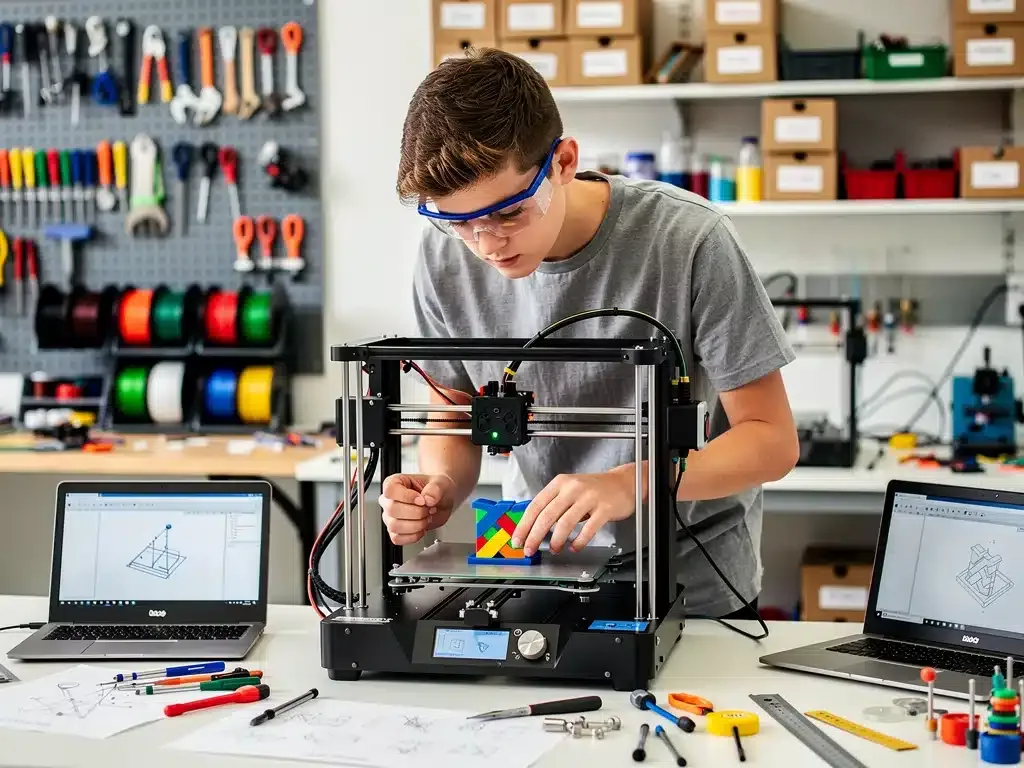
Project-based learning (PBL) is a pedagogical approach gaining significant traction in U.S. high schools.
PBL challenges students to solve authentic, real-world problems, often in interdisciplinary teams, which naturally cultivates High School 21st Century Skills.
Through PBL, students move beyond theoretical knowledge to practical application, developing critical thinking, research, and presentation skills.
They learn to manage projects, meet deadlines, and adapt to unforeseen challenges, mirroring professional experiences.
These projects often involve community engagement, allowing students to see the tangible impact of their work and connect their learning to broader societal issues, making the educational experience more relevant and engaging.
Interdisciplinary Approaches to Problem-Solving
Many real-world problems do not fit neatly into single academic subjects; they require interdisciplinary solutions.
High schools are increasingly adopting cross-curricular projects that blend subjects like science, technology, engineering, arts, and mathematics (STEAM).
This approach encourages students to draw upon knowledge from various domains, fostering a holistic understanding and innovative problem-solving.
It breaks down traditional silos, preparing students for the complex, interconnected challenges of the modern world.
By engaging in interdisciplinary projects, students learn to synthesize information and collaborate with individuals from different intellectual backgrounds, which is a hallmark of effective teams in any professional setting, further supporting High School 21st Century Skills.
Internships and Career Pathways
Direct exposure to the professional world through internships and career pathways programs is becoming an integral part of high school education.
These opportunities provide invaluable hands-on experience and help students explore potential career interests.
Internships offer students a chance to apply their academic learning in a professional environment, develop workplace readiness skills, and build professional networks.
They gain insights into industry expectations and the practical application of their High School 21st Century Skills.
Many high schools are forging stronger partnerships with local businesses and industries to create structured internship programs and specialized career academies.
These pathways offer students a clearer line of sight High School 21st Century Skills.
Fostering Critical Thinking and Creativity
At the core of 21st-century education is the cultivation of critical thinking and creativity. These are not innate talents but skills that can be developed and honed through specific instructional strategies and learning environments.
High schools are designing curricula that encourage questioning, analysis, and evaluation rather than passive acceptance of information. Students are taught to assess sources, identify biases, and construct well-reasoned arguments.
Creativity is fostered through open-ended assignments, design challenges, and opportunities for artistic expression across all subjects. This prepares students to think innovatively and generate novel solutions, essential for High School 21st Century Skills.
Developing Analytical and Problem-Solving Skills
Students are increasingly challenged with complex scenarios that require more than simple recall.
They are being taught systematic approaches to problem-solving, including defining the problem, gathering information, brainstorming solutions, and evaluating outcomes.
This involves developing strong analytical skills, enabling students to break down intricate issues into manageable parts and identify underlying causes.
These competencies are vital for navigating academic challenges and professional demands.
By engaging in regular problem-solving exercises, students build resilience and confidence in tackling difficult situations, equipping them with crucial High School 21st Century Skills that will serve them well beyond graduation.
Encouraging Innovation and Design Thinking
Innovation is a key driver of progress in all sectors, and high schools are embracing design thinking methodologies to cultivate this trait.
Design thinking is a human-centered approach to innovation that focuses on empathy, ideation, prototyping, and testing.
Students are encouraged to identify unmet needs, generate creative ideas, build prototypes, and iterate based on feedback.
This process teaches them to be adaptable, resilient, and comfortable with experimentation and failure as part of the learning process.
These practices are fundamental for preparing the 2026 graduates to be innovators and entrepreneurs, capable of contributing new ideas and solutions as they transition High School 21st Century Skills.
The Role of Educators and Professional Development
The successful integration of High School 21st Century Skills hinges significantly on the capabilities and adaptability of educators. Teachers are at the forefront of these changes, necessitating ongoing professional development and support.
Training programs focus on new pedagogical strategies, technology integration, and methods for fostering critical thinking and collaboration in the classroom.
Educators are learning to design project-based curricula and assess skills beyond traditional tests.
This investment in teacher development is crucial for ensuring that the theoretical framework of 21st-century skills translates effectively into practical classroom experiences for students.
Teacher Training and Continuous Learning
Effective implementation of 21st-century skill integration requires that teachers themselves are proficient in these areas.
Professional development is therefore continuous, offering workshops on new technologies, innovative teaching methods, and curriculum design.
Many districts are establishing professional learning communities where educators can share best practices, collaborate on lesson plans, and collectively address challenges.
This peer-to-peer learning environment is vital for sustained growth and improvement.
By empowering teachers with the necessary tools and knowledge, schools ensure that the vision for High School 21st Century Skills can be realized effectively in every classroom.
Assessing 21st-Century Competencies
Traditional assessment methods often fall short in evaluating complex 21st-century skills.
Schools are exploring alternative approaches, such as portfolio assessments, performance-based tasks, and rubrics that measure critical thinking, collaboration, and creativity.
These new assessment strategies provide a more comprehensive picture of student learning and skill development, moving beyond single test scores.
They also offer valuable feedback to students on areas for improvement in their High School 21st Century Skills.
The shift in assessment reflects a broader understanding that true learning involves demonstrating competence in real-world scenarios, not just recalling facts.
This ensures that the preparation for High School 21st Century Skills is holistic and effective.
Partnerships with Industry and Higher Education
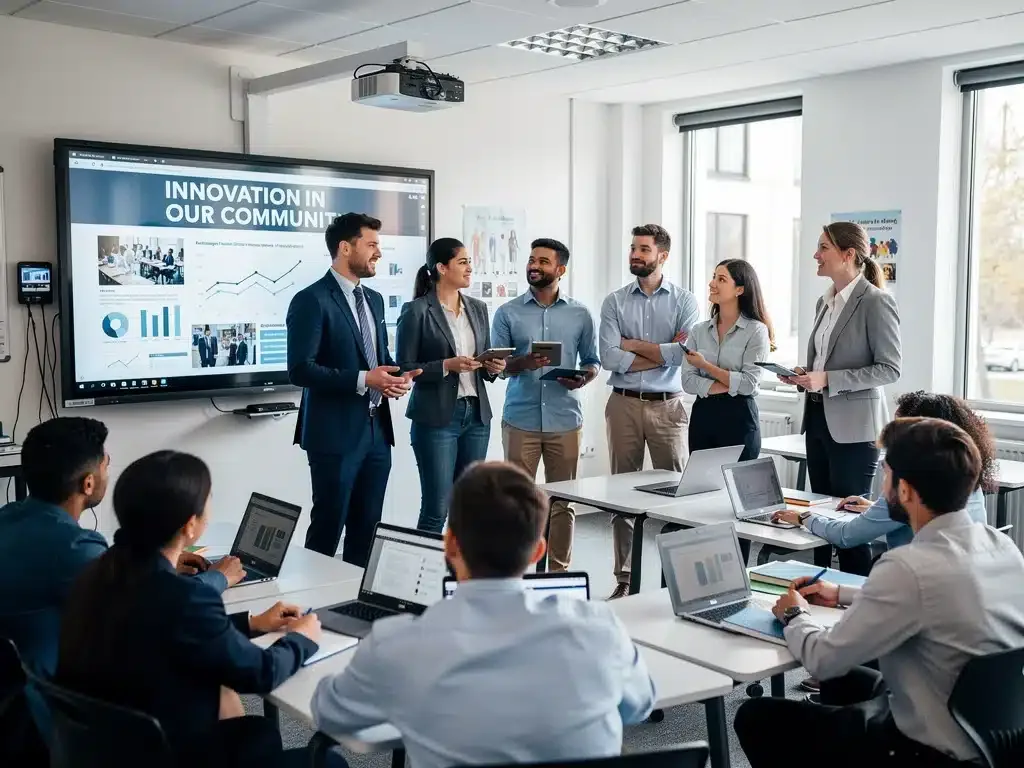
To truly bridge the gap High School 21st Century Skills, strong partnerships with industry and higher education institutions are essential. These collaborations provide invaluable resources, expertise, and opportunities for students.
Industry partners offer insights into current and future workforce needs, helping schools align their curricula with professional demands.
They can also provide mentorships, internships, and guest speakers, giving students direct exposure to various career paths.
Partnerships with colleges and universities facilitate dual enrollment programs, early college initiatives, and access to advanced facilities, creating smoother transitions for students pursuing higher education and advanced High School 21st Century Skills.
Industry Advisory Boards and Curriculum Alignment
Many high schools are establishing industry advisory boards composed of local business leaders and professionals.
These boards offer critical feedback on curriculum relevance, ensuring that what is taught in schools directly addresses the needs of the job market.
This direct collaboration helps schools identify emerging trends and skill gaps, allowing them to adapt their programs proactively. It ensures that students are learning the most pertinent and in-demand High School 21st Century Skills.
The alignment of curriculum with industry standards is paramount for ensuring that graduates are immediately employable and can contribute effectively to their chosen fields, truly preparing them High School 21st Century Skills.
Dual Enrollment and Early College Programs
Dual enrollment and early college programs allow high school students to earn college credits or even an associate’s degree while still in high school. These programs provide a significant head start on higher education and career trajectories.
Beyond academic benefits, these programs expose students to the rigor and expectations of college-level work, fostering independence and advanced study skills.
They are particularly beneficial for students interested in specialized fields requiring extensive post-secondary education.
Such initiatives exemplify the commitment to seamless transitions, ensuring that students gain maximum advantage as they navigate the path High School 21st Century Skills.
Challenges and Future Outlook
While the integration of High School 21st Century Skills is progressing, challenges remain.
These include securing adequate funding for technology and professional development, overcoming resistance to change among some educators and parents, and ensuring equitable access for all students.
Addressing these challenges requires sustained commitment from policymakers, school administrators, and communities. Continued investment in resources, innovative instructional models, and ongoing dialogue are crucial for success.
Despite the hurdles, the future outlook is positive, with a clear understanding that preparing students for the complexities of the 21st century is an imperative. The focus on High School 21st Century Skills is set to reshape education significantly.
Funding and Resource Allocation
One of the primary challenges in implementing 21st-century skill initiatives is securing sufficient funding.
Modern educational tools, advanced technology, and comprehensive professional development programs require substantial financial investment.
Schools often face limitations in their budgets, making it difficult to acquire the latest equipment or provide extensive training for all staff. Strategic resource allocation and seeking external grants are vital to overcome these constraints.
Without adequate funding, the ambition to fully integrate High School 21st Century Skills across all curricula can be hampered, impacting the quality and reach of these essential programs.
Equity and Access for All Students
Ensuring equitable access to 21st-century skill development is another significant challenge. Disparities in technology access, teacher quality, and enrichment opportunities can exacerbate existing educational inequalities.
It is crucial that initiatives are designed to reach all students, regardless of their socioeconomic background, geographic location, or prior academic achievement. This requires targeted interventions and policies that promote inclusivity.
The ultimate goal is to provide every student with the opportunity to develop the High School 21st Century Skills needed to succeed, ensuring that the promise of From Classroom to Career: How U.S. High Schools Are Integrating 21st-Century Skills for 2026 Graduates is truly universal.
| Key Point | Brief Description |
|---|---|
| Curriculum Evolution | Shift from rote learning to dynamic, project-based instruction. |
| Technology Integration | Emphasis on coding, digital literacy, and collaborative tools. |
| Skill Development | Fostering critical thinking, creativity, and problem-solving. |
| Career Readiness | Internships and industry partnerships for real-world experience. |
Frequently Asked Questions About 21st-Century Skills in High Schools
What are the core 21st-century skills high schools are focusing on?▼U.S. high schools are primarily focusing on critical thinking, creativity, collaboration, and communication (the ‘4 Cs’). Additionally, digital literacy, adaptability, initiative, and cross-cultural understanding are being integrated to prepare students for future careers and global challenges, ensuring a holistic approach to education.
How is technology being integrated into the curriculum?▼Technology integration goes beyond basic computer use. Schools are incorporating coding, computational thinking, data analysis, and digital collaboration tools. This prepares students to not only use technology but also understand its implications and leverage it for problem-solving and innovation in various professional contexts.
What is Project-Based Learning (PBL) and why is it important?▼Project-Based Learning (PBL) involves students working on authentic, complex problems, often in teams. It’s important because it moves learning beyond theory to practical application, developing critical thinking, research, and presentation skills crucial for real-world scenarios and future career success in a dynamic environment.
How do high schools partner with industries for career readiness?▼High schools are forming industry advisory boards, offering internships, and developing career pathways. These partnerships provide students with direct exposure to professional environments, align curriculum with industry needs, and offer mentorship opportunities, ensuring graduates possess relevant skills for immediate employment and future growth.
What challenges do schools face in implementing these changes?▼Schools face challenges such as securing adequate funding for technology and professional development, overcoming resistance to new teaching methods, and ensuring equitable access to resources for all students. Addressing these requires ongoing commitment and strategic planning from all educational stakeholders and community partners.
Looking Ahead: The Preparedness of the 2026 Graduates
The concerted efforts by U.S. high schools to integrate High School 21st Century Skills are fundamentally redefining education.
The class of 2026 is emerging from an educational system increasingly focused on adaptability, critical thinking, and practical application, rather than just academic theory.
To read more on practical steps for transitioning smoothly from education into the workforce, check out the guide From Classroom to Career: A Practical Roadmap for Students on Medium.
This strategic shift is not merely an educational trend but a necessary response to the demands of a rapidly evolving global economy.
The emphasis on project-based learning, technology integration, and industry partnerships ensures that students are not just learning, but actively developing the competencies needed for diverse career paths and lifelong success.
As these graduates enter the workforce or pursue higher education, their readiness will serve as a testament to the transformative power of this integrated approach.
The journey From Classroom to Career: How U.S. High Schools Are Integrating 21st-Century Skills for 2026 Graduates is a continuous process of evolution, promising a more capable and innovative future workforce.