FTC 2026 Rule: 3% Hidden Surcharge Limit Explained
Anúncios
Latest developments on the Federal Trade Commission Issues 2026 Rule Limiting Hidden Consumer Surcharges to 3 Percent, with key facts, verified sources, and what readers need to monitor next in the United States, presented clearly in English (United States).
The Federal Trade Commission Issues 2026 Rule Limiting Hidden Consumer Surcharges to 3 Percent is shaping today’s agenda with new details released by officials and industry sources. This update prioritizes what changed, why it matters, and what to watch next, in a straightforward news format.
This significant regulatory action seeks to bring unprecedented transparency to consumer transactions, directly addressing long-standing complaints about unexpected fees. Businesses across various sectors are now evaluating the implications and preparing for compliance with the upcoming changes.
FTC's New Rule: A Deep Dive into the 3% Surcharge Cap
The Federal Trade Commission (FTC) has officially announced a new rule set to take effect in 2026, which will cap hidden consumer surcharges at 3 percent. This landmark decision is designed to protect consumers from deceptive pricing practices that often inflate the final cost of goods and services without prior clear disclosure.
This regulation represents a pivotal shift in consumer protection, aiming to eliminate the frustration and financial burden associated with undisclosed fees. The FTC's move reflects a growing concern over 'junk fees' that have become pervasive in various industries, from ticketing to hospitality.
Anúncios
The rule specifically targets surcharges that are not clearly and conspicuously disclosed upfront, ensuring that consumers have a complete understanding of the total price before committing to a purchase. This proactive approach by the FTC is expected to foster a more transparent marketplace.
Understanding the Scope of the New Regulation
The Federal Trade Commission Issues 2026 Rule Limiting Hidden Consumer Surcharges to 3 Percent applies broadly across industries where hidden fees have been prevalent. This includes, but is not limited to, online ticket sales, hotel bookings, rental car services, and certain financial transactions.
Businesses will be required to adjust their pricing models and disclosure practices to align with the new 3% cap. Non-compliance could result in significant penalties, underscoring the seriousness with which the FTC views this consumer protection initiative.
Anúncios
The rule aims to create a level playing field for businesses by ensuring that those who practice transparent pricing are not at a disadvantage compared to those who rely on hidden fees to attract customers. This fosters fair competition within the market.
- The rule covers various industries including entertainment, travel, and financial services.
- Businesses must disclose all surcharges clearly and upfront.
- The 3% cap is a maximum limit for hidden fees, not an allowance for them.
- Penalties for non-compliance will be substantial, encouraging adherence.
Impact on Consumers: Greater Transparency and Predictability
For consumers, the Federal Trade Commission Issues 2026 Rule Limiting Hidden Consumer Surcharges to 3 Percent translates into greater transparency and predictability in their purchasing decisions. No longer will they be ambushed by unexpected fees at the final stage of a transaction.
This enhanced clarity empowers consumers to make more informed choices, comparing prices accurately without having to account for potential hidden costs. The rule is expected to restore trust in various sectors where hidden fees have eroded consumer confidence.
The ability to see the full price upfront will also simplify budgeting and financial planning, reducing instances of unexpected expenses. This is a significant win for household finances across the United States.
Navigating New Pricing Landscapes
Consumers will notice changes in how prices are presented, with more businesses adopting all-in pricing models. This means the advertised price should be closer to, if not exactly, the final price, with any permitted surcharges clearly itemized.
It is crucial for consumers to remain vigilant and report any instances where businesses fail to comply with the new rule. The FTC relies on consumer complaints to identify and address violations, ensuring the rule's effectiveness.
The introduction of this rule signifies a shift towards a consumer-centric marketplace where honesty and clarity in pricing are prioritized. This will undoubtedly lead to a more positive purchasing experience for everyone.
Business Adjustments: Compliance and Operational Changes
Businesses affected by the Federal Trade Commission Issues 2026 Rule Limiting Hidden Consumer Surcharges to 3 Percent are already beginning to assess the necessary operational and technological adjustments. This includes updating pricing systems, website interfaces, and point-of-sale disclosures to ensure full compliance by the 2026 deadline.
Many companies will need to re-evaluate their revenue models, particularly those that have historically relied heavily on various surcharges to bolster their bottom line. This could lead to a restructuring of how products and services are priced to accommodate the new regulatory environment.
The transition period offers businesses an opportunity to innovate their pricing strategies and build stronger consumer relationships through enhanced transparency. Proactive compliance can serve as a competitive advantage in a market that increasingly values honesty.
Redefining Pricing Strategies for the Future
The rule necessitates a re-evaluation of how businesses communicate value and cost to their customers. Instead of embedding fees, companies may opt for slightly higher base prices or offer tiered service options with clear pricing.
Training staff on the new disclosure requirements will also be critical to avoid unintentional violations. Every customer-facing interaction must align with the FTC's mandate for transparent pricing, reinforcing the Federal Trade Commission Issues 2026 Rule Limiting Hidden Consumer Surcharges to 3 Percent.
Ultimately, businesses that embrace this change as an opportunity to foster greater trust and clarity with their customer base are likely to thrive in the new regulatory landscape. This is not merely about compliance, but about strategic adaptation.
- Businesses must update pricing systems and disclosure methods.
- Revenue models may require significant re-evaluation and adjustment.
- Staff training on new disclosure requirements is essential for compliance.
- Proactive transparency can enhance customer trust and competitive standing.
Enforcement and Oversight: The FTC's Role
The Federal Trade Commission will play a crucial role in enforcing the new 2026 rule limiting hidden consumer surcharges to 3 percent. The agency is expected to deploy significant resources to monitor compliance and investigate complaints from consumers, ensuring the rule's integrity.
The FTC has a history of robust enforcement actions against deceptive trade practices, and this new rule is likely to be no exception. Companies found in violation could face substantial fines and other legal repercussions, serving as a strong deterrent.
This oversight extends beyond initial implementation, with the FTC committed to ongoing monitoring to adapt to evolving market practices and consumer needs. This commitment underscores the long-term vision behind the Federal Trade Commission Issues 2026 Rule Limiting Hidden Consumer Surcharges to 3 Percent.
Ensuring Fair Practices Across the Board
The FTC's enforcement strategy will likely include a combination of proactive investigations and reactive responses to consumer reports. This dual approach aims to catch violations swiftly and address systemic issues within industries.
Collaboration with state attorneys general and other regulatory bodies may also be a part of the enforcement framework, creating a comprehensive network of oversight. This ensures that the rule is applied consistently nationwide.
The ultimate goal is to cultivate an environment where fair and transparent pricing is the norm, not the exception. This requires continuous vigilance and a strong commitment from all stakeholders to uphold the principles of the Federal Trade Commission Issues 2026 Rule Limiting Hidden Consumer Surcharges to 3 Percent.
Industry Reactions and Future Outlook
Initial reactions from various industries to the Federal Trade Commission Issues 2026 Rule Limiting Hidden Consumer Surcharges to 3 Percent have been mixed, ranging from cautious optimism to concerns about implementation challenges. Many businesses acknowledge the need for greater transparency but are grappling with the practicalities of adjusting their complex pricing structures.
Some industry leaders view this as an opportunity to rebuild consumer trust and differentiate themselves through clear pricing. Others express worries about potential impacts on profitability and the competitiveness of their services, especially in sectors with thin margins.
However, the overarching sentiment suggests a move towards adaptation rather than outright resistance, as businesses recognize the increasing public demand for fair and upfront pricing. The rule is poised to reshape market dynamics significantly.
Adapting to a Transparent Future
The rule's effective date in 2026 provides a reasonable timeframe for businesses to make the necessary changes, but strategic planning must begin now. Companies are exploring various solutions, including technology upgrades and employee training, to ensure a smooth transition.
Discussions are also underway regarding potential lobbying efforts to clarify certain aspects of the rule or seek exemptions for specific business models. However, the FTC's firm stance suggests that the core intent of the Federal Trade Commission Issues 2026 Rule Limiting Hidden Consumer Surcharges to 3 Percent will remain unchanged.
Looking ahead, this regulation could set a precedent for similar consumer protection measures in other areas, reinforcing the importance of transparency in all commercial dealings. The shift is monumental and long-lasting.
Economic Implications: Costs and Benefits
The economic implications of the Federal Trade Commission Issues 2026 Rule Limiting Hidden Consumer Surcharges to 3 Percent are multifaceted, presenting both potential costs for businesses and significant benefits for consumers. While businesses may incur initial expenses for system overhauls and pricing adjustments, consumers stand to gain from reduced unexpected expenditures.
Economists predict that increased price transparency could lead to more robust competition, as consumers can more easily compare true costs. This could drive innovation in pricing models and potentially lead to more competitive base prices across various sectors.
Conversely, some businesses might face challenges in absorbing costs previously covered by hidden fees, which could lead to adjustments in their overall pricing strategies. The long-term economic impact will depend on how effectively businesses adapt to the new regulatory environment.
Balancing Business Needs with Consumer Protection
The FTC's rule aims to strike a balance between allowing businesses to cover legitimate operational costs and protecting consumers from deceptive practices. The 3% cap is intended to be a reasonable limit, not an outright ban on all surcharges, provided they are disclosed.
For some small businesses, the administrative burden of compliance might be a concern, prompting calls for clearer guidance and support from regulatory bodies. The Federal Trade Commission Issues 2026 Rule Limiting Hidden Consumer Surcharges to 3 Percent is a broad stroke, and its nuances will emerge.
Ultimately, the health of the economy benefits from a marketplace built on trust and fairness. The rule is a step towards achieving that equilibrium, fostering a more equitable relationship between businesses and their customers.
Consumer Advocacy and Support for the Rule
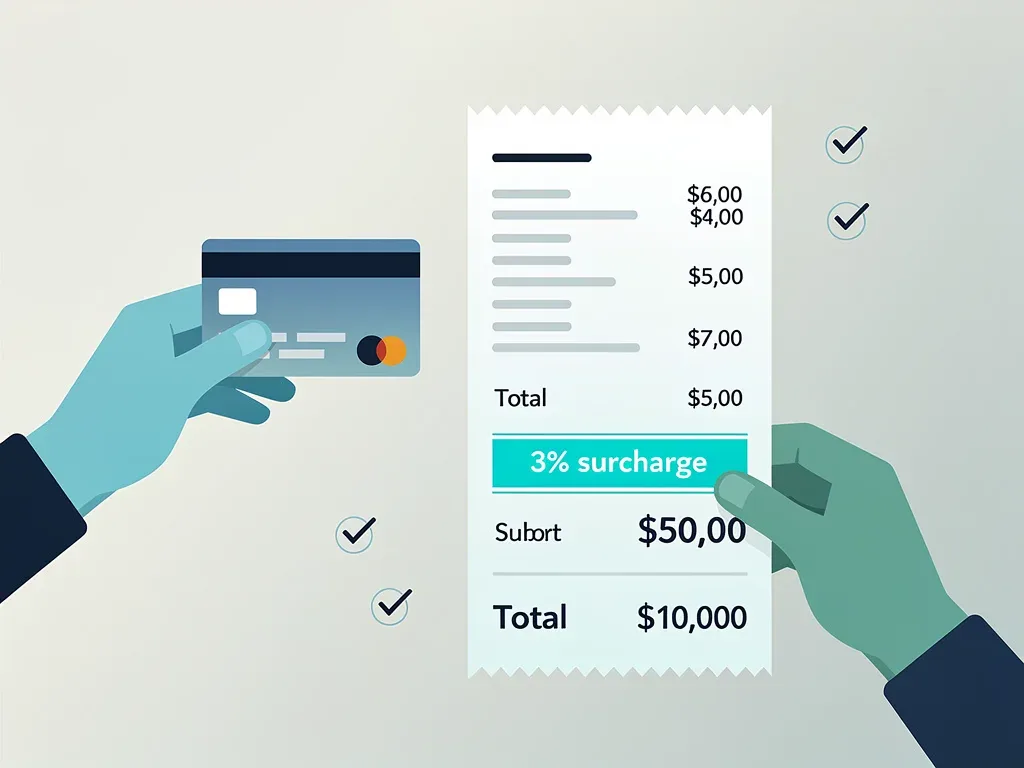
Consumer advocacy groups have largely applauded the Federal Trade Commission Issues 2026 Rule Limiting Hidden Consumer Surcharges to 3 Percent, hailing it as a significant victory for consumer rights. These organizations have long campaigned against hidden fees, which they argue disproportionately affect vulnerable populations and undermine fair market practices.
The rule is seen as a direct response to years of consumer complaints and sustained advocacy efforts to address the issue of 'junk fees.' Advocates believe this measure will empower consumers and restore confidence in various service industries.
Support from these groups will be crucial in monitoring the rule's implementation and ensuring businesses adhere to the new standards. They are prepared to act as watchdogs, reporting violations and providing valuable feedback to the FTC.
Empowering Consumers Through Information
Advocacy efforts will now shift towards educating consumers about their rights under the new rule and how to identify and report non-compliant businesses. This educational outreach is vital for the rule's effectiveness, reinforcing the Federal Trade Commission Issues 2026 Rule Limiting Hidden Consumer Surcharges to 3 Percent.
Many groups are also preparing resources and guides to help consumers understand what constitutes a permissible surcharge versus a hidden fee. This will enable individuals to challenge unfair charges more effectively and confidently.
The collective voice of consumer advocates will continue to play a key role in shaping future regulatory actions, pushing for even greater transparency and fairness in the marketplace. Their vigilance is a cornerstone of this reform.
Preparing for 2026: What Businesses and Consumers Must Do
As the 2026 deadline approaches, both businesses and consumers must take proactive steps to prepare for the Federal Trade Commission Issues 2026 Rule Limiting Hidden Consumer Surcharges to 3 Percent. For businesses, this involves a comprehensive review of pricing, disclosure practices, and internal systems to ensure full compliance.
Consumers, on the other hand, should familiarize themselves with the new regulations to understand their rights and responsibilities. Being informed will allow them to identify and question any charges that appear to violate the new cap.
The period leading up to 2026 is critical for adaptation and education, laying the groundwork for a more transparent and equitable commercial landscape. Early preparation will mitigate disruption and foster a smoother transition for all parties.
Key Actions for a Smooth Transition
Businesses should consider consulting with legal and financial experts to navigate the complexities of the new rule and develop compliant pricing strategies. Investing in updated software and training programs for employees will be essential.
Consumers are encouraged to pay closer attention to advertised prices and final costs, and to utilize resources from consumer advocacy groups or the FTC for guidance. Reporting suspicious charges is a civic duty that strengthens the rule.
The success of the Federal Trade Commission Issues 2026 Rule Limiting Hidden Consumer Surcharges to 3 Percent hinges on the collective effort of both businesses and consumers to embrace and uphold its principles. This collaborative approach will pave the way for a fairer market.
| Key Point | Brief Description |
|---|---|
| Surcharge Limit | Hidden consumer surcharges capped at 3% by FTC in 2026. |
| Consumer Impact | Increased transparency, predictability, and protection from unexpected fees. |
| Business Compliance | Requires updating pricing systems, disclosure practices, and revenue models. |
| Enforcement | FTC to actively monitor and penalize non-compliant businesses. |
Frequently Asked Questions About the FTC's 2026 Surcharge Rule
What is the main purpose of the Federal Trade Commission's new rule?▼The primary purpose of the Federal Trade Commission Issues 2026 Rule Limiting Hidden Consumer Surcharges to 3 Percent is to enhance transparency in consumer transactions. It aims to protect consumers from unexpected and undisclosed fees, ensuring they see the full price upfront and can make informed purchasing decisions without hidden costs.
Which types of businesses are most affected by this 3% surcharge limit?▼Businesses that historically rely on hidden fees, such as online ticket vendors, hotels, rental car companies, and certain financial service providers, will be most affected. They must adjust their pricing and disclosure practices to comply with the Federal Trade Commission Issues 2026 Rule Limiting Hidden Consumer Surcharges to 3 Percent by the deadline.
How will this rule benefit average consumers in their daily purchases?▼Average consumers will benefit from greater price predictability and transparency. They will no longer encounter unexpected surcharges at checkout, allowing for accurate budget planning and easier price comparisons across different providers. This will significantly improve the overall consumer experience under the Federal Trade Commission Issues 2026 Rule Limiting Hidden Consumer Surcharges to 3 Percent.
What actions should businesses take to ensure compliance by 2026?▼Businesses should conduct a thorough review of their current pricing models and disclosure methods. They need to update their systems, train staff on new requirements, and ensure all surcharges adhere to the 3% cap and are clearly communicated upfront. Proactive adaptation to the Federal Trade Commission Issues 2026 Rule Limiting Hidden Consumer Surcharges to 3 Percent is key.
What role do consumer advocacy groups play in the implementation of this rule?▼Consumer advocacy groups are crucial in supporting the Federal Trade Commission Issues 2026 Rule Limiting Hidden Consumer Surcharges to 3 Percent. They educate consumers about their rights, monitor business compliance, and report violations to the FTC. Their ongoing vigilance helps ensure the rule effectively protects consumers from deceptive pricing practices and hidden fees.
What this means
The Federal Trade Commission Issues 2026 Rule Limiting Hidden Consumer Surcharges to 3 Percent signifies a profound shift towards greater transparency in the U.S. marketplace. This initiative will empower consumers with clear pricing and compel businesses to re-evaluate their revenue and disclosure models. Looking ahead, this rule sets a precedent for future consumer protection efforts, emphasizing the importance of fair and upfront dealings. All stakeholders must remain informed and adaptable as the 2026 implementation date approaches.