EPA Enforces New Drinking Water Thresholds for 6 Synthetic Chemicals Effective This Quarter
Anúncios
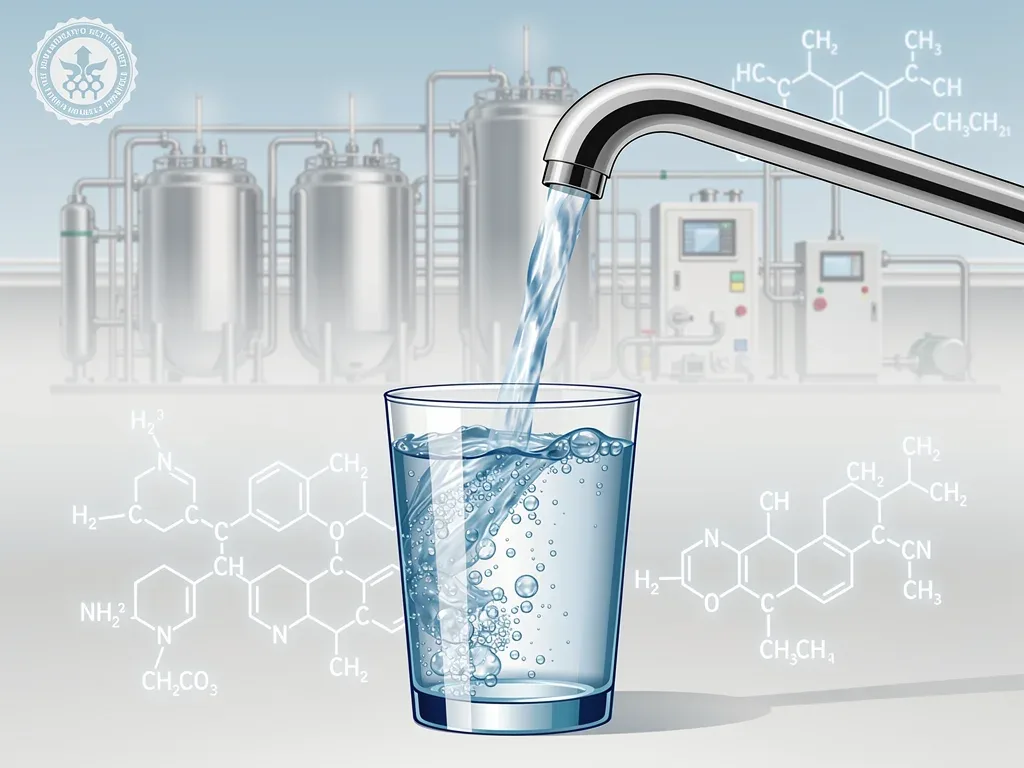
The U.S. Environmental Protection Agency (EPA) has officially enforced new national drinking water thresholds for 6 synthetic chemicals—including persistent PFAS "forever chemicals"—effective this quarter.
This landmark regulation marks a major shift in public health protection, requiring water utilities nationwide to monitor levels and implement stricter management practices to eliminate toxic contaminants from tap water.
EPA's Historic Move: Setting New National Standards
The Environmental Protection Agency has made a historic move by establishing the first-ever national legally enforceable drinking water standards for per- and polyfluoroalkyl substances (PFAS), alongside other synthetic chemicals.
This action directly impacts millions of Americans who rely on public water systems for their daily consumption.
This initiative underscores the EPA's commitment to protecting communities from harmful pollutants, building on years of scientific research and public engagement.
Anúncios
The new thresholds are designed to significantly reduce exposure to these pervasive chemicals, which have been linked to various adverse health effects.
The enforcement of these new thresholds signifies a critical turning point in environmental regulation, moving beyond advisory limits to mandatory compliance for water providers nationwide. This aggressive approach reflects the growing scientific consensus on the dangers these chemicals pose.
Understanding the Scope of the New Regulations
The new regulations specifically target six synthetic chemicals, including PFOA, PFOS, PFNA, PFHxS, PFBS, and GenX chemicals. These substances are known for their persistence in the environment and their potential to accumulate in the human body, posing long-term health risks.
Anúncios
The EPA has set Maximum Contaminant Levels (MCLs) for PFOA and PFOS at 4 parts per trillion (ppt), the lowest levels detectable by current technology. For the other four chemicals, the EPA has established a Hazard Index to account for their combined health effects.
PFOA and PFOS: Set at 4 parts per trillion (ppt) individually, reflecting the most stringent limits possible.
PFNA, PFHxS, PFBS, and GenX chemicals: Regulated through a Hazard Index approach, considering their cumulative impact.
Monitoring requirements: Public water systems must conduct initial monitoring for these chemicals within three years.
Public notification: Water systems exceeding the new MCLs must inform the public and take action to reduce levels.
These thresholds represent a monumental shift from previous guidelines, which were often advisory and lacked the force of law. The mandatory nature of these new rules means water systems must now actively invest in treatment solutions.
Health Implications and Public Safety
The decision by the EPA Enforces New Drinking Water Thresholds for 6 Synthetic Chemicals Effective This Quarter is primarily driven by mounting evidence of the health risks associated with exposure to these compounds.
Long-term exposure to PFAS has been linked to severe health issues, including certain cancers, developmental delays in children, and immune system dysfunction.
By setting legally enforceable limits, the EPA aims to significantly reduce the public's exposure to these contaminants, thereby mitigating potential health consequences. This proactive measure is expected to lead to a noticeable improvement in public health outcomes over time.
The public safety aspect of these regulations cannot be overstated, as safe drinking water is a fundamental human right. The EPA's action provides a stronger defense against invisible threats lurking in water supplies.
Protecting Vulnerable Populations
Vulnerable populations, including pregnant women, infants, and individuals with compromised immune systems, are particularly susceptible to the adverse effects of these synthetic chemicals. The new thresholds offer enhanced protection for these groups.
Reducing PFAS levels in drinking water will contribute to healthier pregnancies, reduce the risk of developmental issues in children, and bolster overall public health. This targeted protection reflects a commitment to environmental justice and equitable health outcomes.
The EPA's focus on vulnerable populations highlights the agency's dedication to ensuring that all Americans, regardless of their demographic, have access to safe and clean drinking water. This is a critical step in addressing environmental health disparities.
Implementation Challenges and Water System Responses
While the new regulations are a win for public health, their implementation presents significant challenges for many public water systems across the country. Upgrading infrastructure and adopting advanced treatment technologies will require substantial financial investment and technical expertise.
Water systems are now tasked with assessing their current contamination levels, identifying appropriate treatment solutions, and securing funding for necessary upgrades. The EPA has announced funding opportunities and technical assistance to help systems meet these new requirements.
The transition period will be crucial, with many systems needing to adapt quickly to avoid non-compliance. The complexity of treating PFAS, given their chemical stability, means that standard treatment methods may not always suffice.
Technological Solutions and Funding Opportunities
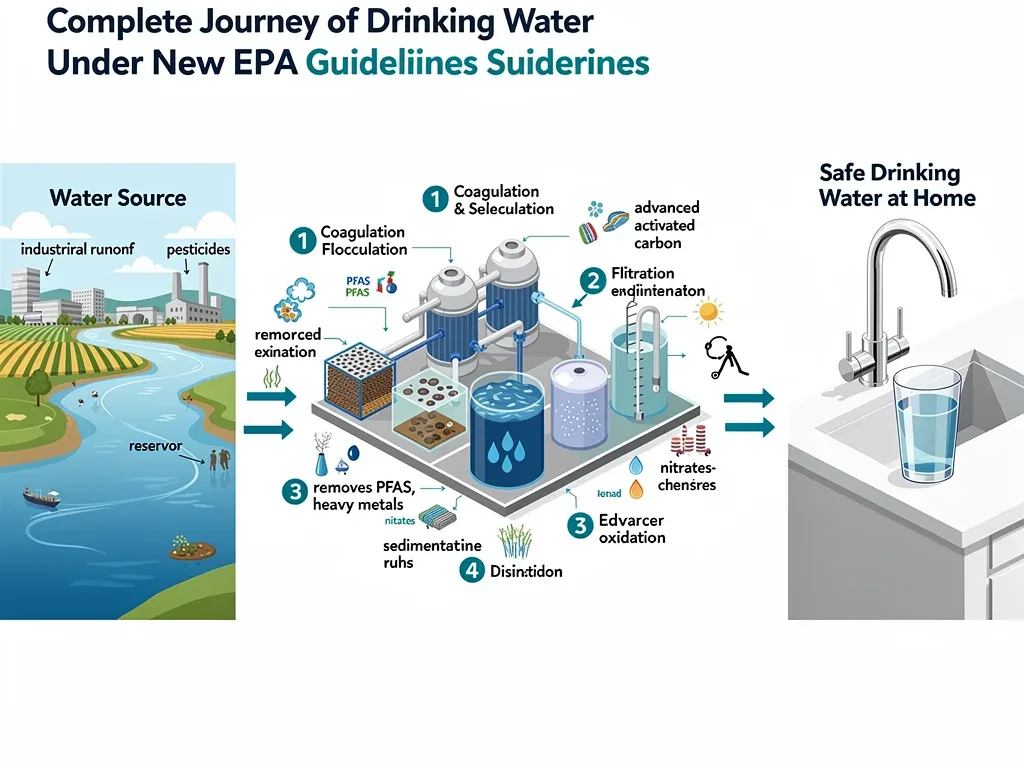
Effective removal of PFAS from drinking water often requires advanced treatment technologies such as granular activated carbon (GAC), reverse osmosis, or ion exchange resins. These technologies can be costly to install and maintain, especially for smaller water systems.
The EPA has made available billions of dollars through various programs, including the Bipartisan Infrastructure Law, to assist communities in upgrading their water infrastructure. These funds are vital for ensuring that all systems, regardless of size or location, can comply with the new standards.
Granular Activated Carbon (GAC): A widely used and effective method for adsorbing PFAS from water.
Reverse Osmosis: A more advanced and costly method, highly effective for removing a broad range of contaminants.
Ion Exchange Resins: Specialized resins that can selectively capture and remove PFAS compounds.
Bipartisan Infrastructure Law: Provides significant federal funding to support water infrastructure improvements.
Securing these funds and implementing the right technologies will be critical for water systems to meet the deadlines imposed by the EPA Enforces New Drinking Water Thresholds for 6 Synthetic Chemicals Effective This Quarter. Collaboration between federal, state, and local entities will be essential.
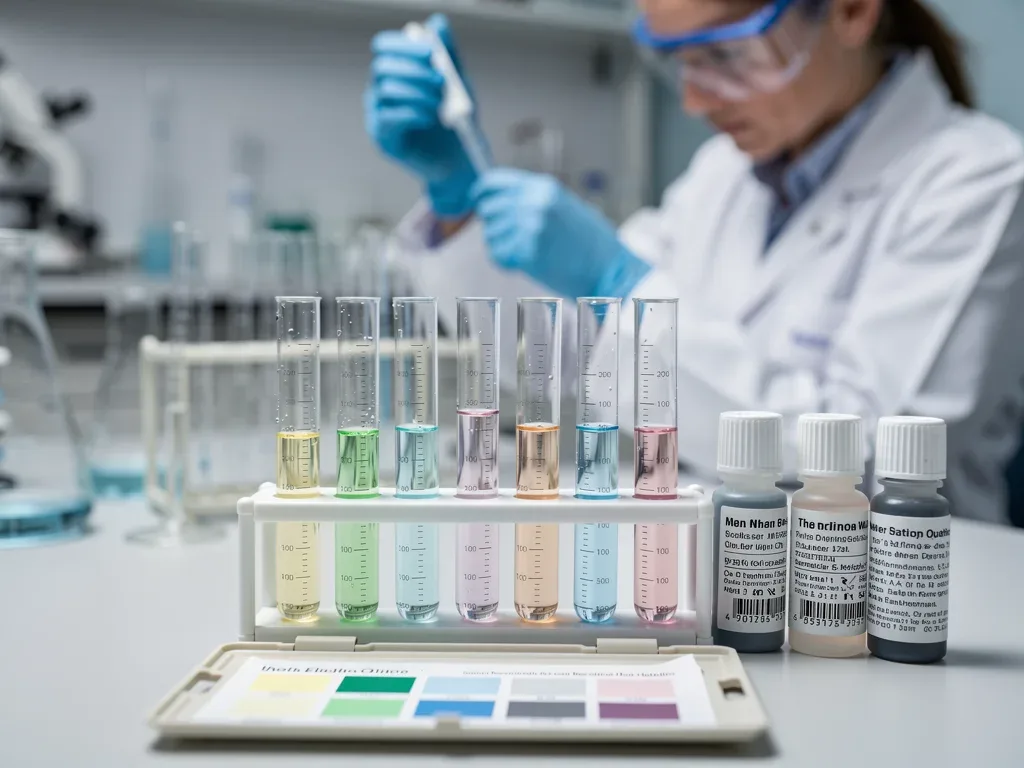
The financial burden on local municipalities is a primary concern, as many smaller communities may struggle to afford the necessary upgrades without significant external support. The EPA's financial aid programs are designed to alleviate some of this pressure.
Monitoring and Compliance Deadlines
The new regulations come with clear monitoring and compliance deadlines that public water systems must adhere to. Initial monitoring for the six regulated chemicals must be completed within three years of the rule's effective date, providing a baseline for compliance.
Following initial monitoring, systems found to exceed the MCLs will have two years to implement solutions and demonstrate compliance. This timeline emphasizes the urgency and importance of addressing these contaminants promptly.
Failure to comply with the new standards could result in enforcement actions from the EPA, including fines and mandated corrective measures. This strict enforcement mechanism is designed to ensure widespread adherence to the new safety thresholds.
Reporting and Public Disclosure
Transparency is a key component of the new regulations. Water systems are required to regularly report their monitoring results to the EPA and to publicly disclose any exceedances of the new MCLs. This ensures that communities are fully informed about the quality of their drinking water.
Public notification requirements empower consumers to make informed decisions about their water consumption and to advocate for necessary improvements in their local water systems. This level of transparency fosters trust and accountability.
The reporting mechanisms are crucial for tracking national progress in reducing PFAS contamination and for identifying areas that require additional support or intervention. This data-driven approach is central to the EPA's strategy.
The Broader Impact on Industry and Manufacturing
The implications of the EPA Enforces New Drinking Water Thresholds for 6 Synthetic Chemicals Effective This Quarter extend beyond water utilities, significantly impacting various industries that use or produce these chemicals.
Manufacturers will face increased pressure to find safer alternatives and to improve waste management practices.
Industries such as textiles, aerospace, and electronics, which have historically relied on PFAS for their unique properties, will need to innovate and adapt. This could spur a wave of research and development into green chemistry solutions.
The regulatory shift is expected to accelerate the phase-out of PFAS in consumer products and industrial processes, reducing the overall environmental burden of these persistent chemicals. This broader impact aligns with global efforts to minimize chemical pollution.
Transitioning to PFAS-Free Alternatives
The demand for PFAS-free alternatives is set to surge as industries seek to comply with the new environmental standards and consumer expectations. This transition will require significant investment in research, development, and manufacturing process re-engineering.
Companies that proactively develop and adopt safer substitutes will gain a competitive advantage in a market increasingly conscious of environmental impact. This regulatory push serves as a catalyst for sustainable innovation.
Research and Development: Increased funding and focus on discovering and scaling up PFAS-free materials.
Supply Chain Adjustments: Industries must re-evaluate and modify their supply chains to incorporate new, compliant materials.
Consumer Demand: Growing public awareness drives demand for products free from harmful synthetic chemicals.
Regulatory Compliance: Companies must adhere to stricter guidelines to avoid penalties and reputational damage.
The shift away from PFAS will not be immediate, but the EPA's new thresholds provide a clear impetus for change across the industrial landscape. This will undoubtedly influence how products are made and consumed in the future.
Community Engagement and Public Awareness
Effective implementation of the new drinking water thresholds also hinges on strong community engagement and public awareness campaigns. Educating the public about the risks of synthetic chemicals and the steps being taken to address them is paramount.
Local health departments and environmental groups play a crucial role in disseminating accurate information and empowering residents to participate in water quality discussions. Informed communities are better equipped to advocate for their interests.
The EPA's efforts to enforce new drinking water thresholds are reinforced by a well-informed public that understands the importance of clean water and supports the necessary investments. This collective awareness drives positive change.
Advocacy and Grassroots Efforts
Grassroots organizations and environmental advocacy groups have been instrumental in pushing for stricter regulations on PFAS. Their continued efforts will be vital in holding water systems and industries accountable for compliance.
These groups often provide valuable resources and support to communities affected by contamination, helping them navigate the complexities of water testing and remediation. Their advocacy ensures that the voices of impacted residents are heard.
Public forums, educational workshops, and community meetings will become increasingly important platforms for discussing local water quality issues and collaborating on solutions. The EPA Enforces New Drinking Water Thresholds for 6 Synthetic Chemicals Effective This Quarter provides a new rallying point for these efforts.
The ongoing dialogue between regulators, water providers, and the public is essential for successful implementation. This collaborative approach ensures that the health and safety of all communities remain at the forefront.
Future Outlook and Long-Term Goals
The enforcement of new drinking water thresholds for six synthetic chemicals is a significant milestone, but it is also part of a larger, ongoing effort to address water quality challenges.
The EPA's long-term goals include expanding the list of regulated contaminants and promoting sustainable water management practices.
Future regulatory actions may target additional emerging contaminants as scientific understanding evolves and new threats are identified. The agency remains committed to a dynamic approach to water safety.
Ultimately, the goal is to ensure that all Americans have access to clean, safe, and reliable drinking water, now and for generations to come. This vision requires continuous vigilance, innovation, and collaboration across all levels of government and society.
Continuous Research and Innovation
Ongoing scientific research into the health effects and environmental behavior of synthetic chemicals will be critical for informing future regulatory decisions. Advances in analytical chemistry and toxicology will provide a clearer picture of emerging threats.
Innovation in water treatment technologies will also be essential for developing more cost-effective and efficient methods for removing contaminants. Public and private sector investments in R&D are crucial for achieving these advancements.
The commitment to continuous improvement and adaptation will define the success of the EPA's efforts to protect drinking water quality. This proactive stance is necessary to stay ahead of evolving environmental challenges.
Key Point | Brief Description |
|---|---|
New Regulations Enforced | EPA sets legally enforceable limits for 6 synthetic chemicals in drinking water. |
Targeted Chemicals | Includes PFOA, PFOS, PFNA, PFHxS, PFBS, and GenX chemicals. |
Health Protection | Aims to reduce exposure to chemicals linked to serious health issues. |
Implementation Challenges | Water systems face significant costs and technical hurdles for compliance. |
Frequently Asked Questions About New Drinking Water Thresholds
What are the new EPA drinking water thresholds?▼
The EPA has established legally enforceable Maximum Contaminant Levels (MCLs) for six synthetic chemicals, including PFOA and PFOS at 4 parts per trillion (ppt). Other PFAS are regulated through a Hazard Index approach. These are the first national standards for these persistent chemicals.
Which synthetic chemicals are affected by these new rules?▼
The new rules specifically target six synthetic chemicals: PFOA, PFOS, PFNA, PFHxS, PFBS, and GenX chemicals. These compounds are often referred to as 'forever chemicals' due to their environmental persistence and potential health risks to humans.
When do these new thresholds become effective?▼
The new drinking water thresholds are effective this quarter. Public water systems have three years to complete initial monitoring for these chemicals and an additional two years to implement treatment solutions if exceedances are found, ensuring compliance.
What health risks are associated with these chemicals?▼
Exposure to these synthetic chemicals has been linked to various health issues, including increased risk of certain cancers, developmental effects in children, liver and kidney damage, and immune system impacts. The new thresholds aim to mitigate these significant health concerns.
How will water systems comply with the new regulations?▼
Water systems will need to invest in advanced treatment technologies like granular activated carbon (GAC), reverse osmosis, or ion exchange resins. The EPA is providing funding through the Bipartisan Infrastructure Law to help systems meet these new, stringent requirements.
Impact and Implications
The enforcement of new drinking water thresholds by the EPA represents a monumental shift in environmental protection, directly impacting public health and necessitating significant changes across water utilities and industries.
This proactive measure addresses a long-standing environmental challenge and sets a new precedent for chemical regulation in the United States.
As the EPA Enforces New Drinking Water Thresholds for 6 Synthetic Chemicals Effective This Quarter, communities must remain vigilant, advocating for transparency and timely action from their local water providers.
To learn more about these national standards and the regulations surrounding per- and polyfluoroalkyl substances, visit the EPA PFAS Drinking Water Regulations portal.
The success of this initiative hinges on sustained investment, technological innovation, and robust public engagement to ensure safe drinking water for all.
Looking ahead, this action by the EPA is likely to spur further research into emerging contaminants and cleaner industrial practices, shaping a more sustainable future for water resources nationwide.
This is a crucial step towards safeguarding public health for generations to come, requiring ongoing collaboration and commitment.